TVIB News Archives: FAQs

What does Subchapter M require regarding warning signs on towing winches?

46 CFR § 143.460(d) states:

“Each winch that is capable of an uncontrolled release of the towline while under tension must have a warning sign at or near the winch controls. All safety devices must be engaged during winch operation.”

In plain terms, this requirement applies only to towing winches capable of unintentionally releasing line under load. The regulation requires that a clearly visible warning be posted at or near the winch controls and that all safety devices remain engaged during operation. While the regulation does not define “uncontrolled release,” it is commonly understood to mean a situation in which the line pays out unintentionally under tension, creating hazards such as serious injury, equipment damage, or loss of tow control. Vessel owners or managing operators are responsible for ensuring appropriate signage is installed, maintained, and understood by the crew.
What is a TPO?

Q: What is a Third Party Organization (TPO)?

A: A Third Party Organization (TPO) is an independent entity authorized by the U.S. Coast Guard to conduct certain inspection, audit, and compliance functions on behalf of vessel owners and operators. Under 46 CFR Subchapter M, which governs the safety of towing vessels, a TPO may be engaged by a company to:

· Perform management system audits of a Towing Safety Management System (TSMS) under 46 CFR 138.315.

· Conduct vessel surveys to verify compliance with applicable Subchapter M requirements.

· Provide objective reports and recommendations to the Coast Guard regarding compliance.

Working with a TPO allows operators to choose the TSMS option for compliance rather than relying solely on Coast Guard inspections (the Coast Guard option). TPOs provide flexibility, technical expertise, and a collaborative approach to maintaining safe and compliant vessel operations.

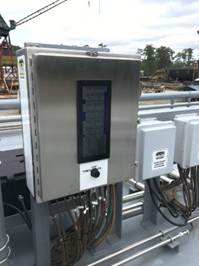
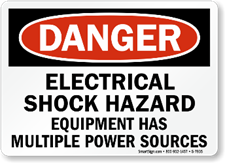
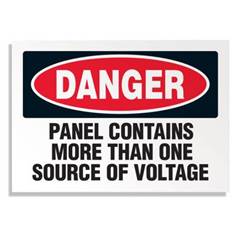
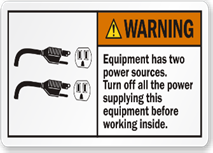
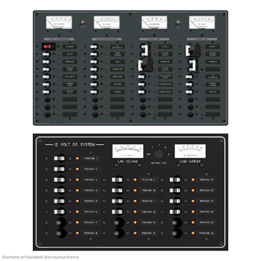
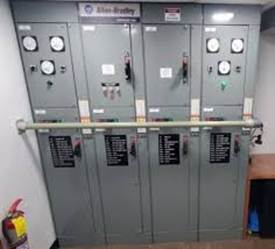
Signage requirements for electrical panels and enclosures containing multiple power sources.

Electrical Safety FAQ:

Multiple Power Source Warning Requirements

What does 46 CFR 143.250(b) require?

Federal regulations require that any electrical panel or enclosure containing more than one power source be clearly labeled with a warning sign. This sign must:

  • Alert personnel that multiple power sources exist, and
  • Identify where each power source can be secured or disconnected.

Why is this requirement important?

Electrical panels with multiple power feeds—such as shore power, generators, or battery systems—can remain energized even when one source is shut off. Proper signage prevents electrical shock, arc flash, and equipment damage by ensuring workers know all potential sources of energy before performing maintenance or service.


What should the warning label say?

While the regulation allows flexibility, the wording must be clear, visible, and specific.

Example label:

Warning: More than one power source. Disconnect shore power and generator supply before servicing.

Labels should be made of durable material, resistant to heat, moisture, and corrosion.


Where should the warning be placed?

Place the warning directly on or adjacent to the panel or enclosure in a conspicuous location, easily seen by anyone accessing the equipment.


Who is responsible for compliance?

Vessel owners, managing operators, and masters are responsible for ensuring all applicable panels and enclosures meet this labeling requirement.


How is compliance verified?

Compliance with 46 CFR 143.250(b) is verified during:

  • U.S. Coast Guard inspections
  • Authorized Class Society (ACS) surveys
  • Annual Surveys (for Subchapter M vessels)

Best practices for maintaining compliance

  • Inspect labels regularly and replace if damaged or faded.
  • Update signage whenever power configurations change.
  • Use engraved placards or marine-grade adhesive labels.
  • Train all crew and maintenance personnel on the meaning of the signs.